Choosing a suitable driveway material is one of the key decisions for homeowners when planning an exterior upgrade. Driveways can impact aesthetics, utility, upkeep, and the longevity of property value.
At JP Concrete, we often assist homeowners weighing their options before taking the plunge with a new project. Although both asphalt and a concrete driveway can perform reliably, each comes with its own benefits and drawbacks. If you are aware of the differences, then it can help you decide which one is right for your budget, climate, and long-term plans.
An elaborately constructed driveway is not just a parking shed for vehicles. An improvement that enhances the value and aesthetics of your property
Knowing The Difference Between Concrete and Asphalt
It’s good to know what the differences are between these materials before comparing the benefits. This is a mix of large and small stones, cement, sand, and water that solidifies to create a strong base. Prized for its durability, years of longevity, and design flexibility.
Aggregates and asphalt, a binder made from petroleum, make up asphalt. This makes a black, nearly nonporous surface that’s popular for roads, parking lots, and private roadways. While both of these materials are used for driveway installation, their performance depends on climate conditions and intended use, in addition to maintenance.
Knowing the differences is step one to making a well-informed decision.
Appearance and Curb Appeal
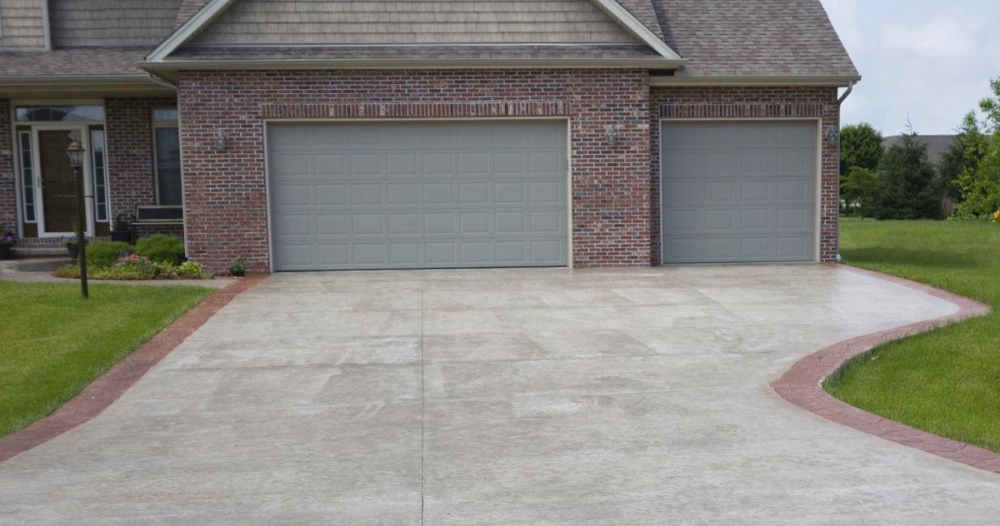
Concrete is an exceptionally clean and modern material that can work with a range of architectural styles. It can also be decorated using various finishes, stamping, exposed aggregate textures, and color treatments. This flexibility gives a homeowner the ability to build that driveway, which can add value to the overall design of the property.
It creates a smoother look and generally offers original color, mostly unavailable with asphalt. Though the simple, accessible, natural look appeals to many homeowners, it does not afford as much design versatility with concrete. Concrete tends to be the better choice for those who want an attractive option that lasts long into the future.
Maintenance Requirements
As much as every driveway might need some form of upkeep, how much effort needed to keep it looking good varies greatly between materials.
Normally, bare concrete needs periodic cleaning and periodic sealing according to the finish. To each their own, but properly maintained, it keeps relatively well for quite some time.
Asphalt typically needs to be sealed more often as it is susceptible to the elements when left unprotected. Over time, you may also notice tiny cracks forming that require your immediate attention to avoid causing more damage. With concrete frequently the practical choice for homeowners looking to have less maintenance during a process, as it generally leads to a base structure and roadways.
Performance in Different Weather Conditions
One should also keep the climate in mind while choosing Driveway Materials. Clarity Concrete is an all-weather performer, and it remains stable even under heavy loads. To accommodate the changes in temperature so that it will not crack, however, you will need to ensure properly installed.
While asphalt is flexible enough to adjust when the weather changes, initial exposure to heat could soften the surface, especially in hotter locations. In appropriate installations, both materials can perform very well; local conditions will ultimately govern a project.
Comparing Long-Term Costs
Many homeowners will find that initial installation costs later become the determining factor.
Asphalt often has a lower initial cost, making it ideal for budget-constrained projects. However, constant maintenance and resurfacing now and then can increase the cost during its lifespan.
Although concrete typically involves a higher upfront cost, its long-term durability and less frequent need for repair can ultimately pay off with more value in the future. Look at costs for the life of a driveway, not just installation.
The Importance of Professional Installation
Even the best driveway materials cannot perform well if they are installed incorrectly. At JP Concrete LLC, we understand that proper installation is just as important as choosing the right material for your project.
Proper excavation, grading, base preparation, drainage planning, and finishing techniques are crucial to creating a durable driveway. These steps directly impact the driveway’s long-term performance and help prevent common issues such as cracking, settling, and poor drainage.
Our experienced team takes the time to properly prepare the site and install the driveway according to industry standards. Quality workmanship helps reduce the risk of premature deterioration and protects your investment from the beginning.
Frequently Asked Questions
Does a concrete driveway add value to a home?
An installed concrete driveway can add curb appeal and has been known to increase a home’s value according to prospective buyers.
Is it probably best to wait at least a week before driving on a slab-poured concrete driveway?
Although there could be variation in the curing time, most contractors recommend letting vehicles sit on it for roughly 7 days after pouring.
Which is better for large vehicles, concrete or asphalt?
Concrete typically has greater load-bearing capacity, which is ideal for driveways that regularly support larger vehicles.
Can a concrete driveway be cleaned of stains?
Most oil, grease, and rust stains can be reduced or removed with special cleaning methods if treated quickly.
What is the number one reason for driveway damage?
Poor drainage, improper compaction of stone base, and heavy loads can turn what should be a durable surface into one that is adversely affected through groundwater literally penetrating the asphalt or concrete.