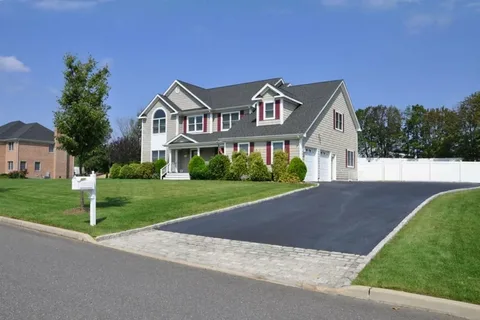
Your driveway does more than get your car from the street to the garage; it’s one of the first things people notice about your property and one of the hardest-working surfaces on it, absorbing daily traffic, weather, and years of wear. Whether you’re replacing a cracked, outdated driveway or installing one for the first time, professional driveway installation ensures the finished result looks great and holds up for decades.
Choosing the Right Driveway Material
Material choice shapes nearly every aspect of your driveway, from cost to maintenance to how it will look for years to come.
Concrete vs Asphalt Driveway
The concrete vs asphalt driveway decision is one of the most common questions homeowners face. Concrete tends to last longer, often 25-30 years or more and offers more design flexibility for decorative finishes, though it typically costs more upfront and can crack in extreme freeze-thaw climates without proper control joints. Asphalt is generally less expensive initially and performs well in colder climates due to its flexibility, but it usually requires more frequent sealing and has a shorter overall lifespan, often 15-20 years.
Paver Driveway Installation
Paver driveway installation offers a distinctive, upscale appearance using individual interlocking units made from concrete, brick, or natural stone. Beyond aesthetics, pavers offer a practical advantage: if a section becomes damaged or stained, individual pavers can be replaced without redoing the entire driveway, something neither poured concrete nor asphalt can offer as easily.
Gravel Driveway Installation
Gravel driveway installation remains a budget-friendly, low-maintenance option, particularly popular for longer driveways, rural properties, or homeowners wanting a more natural aesthetic. While gravel requires periodic replenishment and occasional regrading, it avoids the cracking issues associated with solid surfaces and offers excellent drainage.
The Driveway Installation Process
Understanding the general driveway excavation and grading process and installation sequence helps set expectations for any driveway project:
- Planning and design: Determining the driveway’s layout, width, and any decorative elements before construction begins.
- Excavation and grading: Removing existing material and grading the site to ensure proper drainage and a stable foundation.
- Base installation: Compacting a gravel or aggregate base layer that provides stability and supports proper drainage beneath the final surface.
- Surface installation: Pouring concrete, laying asphalt, installing pavers, or spreading gravel according to the chosen material.
- Finishing details: Adding edging, borders, or decorative elements, and allowing appropriate curing time before use.
Driveway Width and Layout Planning
Getting the dimensions right matters just as much as material selection. Driveway width and layout planning should account for how many vehicles need to park or pass simultaneously, whether you need room for larger vehicles like RVs, and how the driveway integrates with your home’s entryway and landscaping. A well-planned layout avoids awkward turning radii and ensures comfortable, safe vehicle access.
Circular Driveway Design
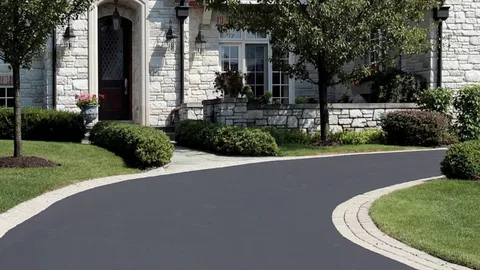
For larger properties, a circular driveway design offers convenient drive-through access without the need to reverse, along with a distinctive, more formal appearance. This layout requires more space than a standard straight driveway, making it best suited for properties with sufficient frontage.
Decorative Options: Stamped Concrete Driveways
For homeowners wanting more visual interest than plain concrete or asphalt, a stamped concrete driveway replicates the look of brick, cobblestone, or natural stone while maintaining the durability and lower maintenance requirements of poured concrete underneath. This decorative technique adds cost compared to standard concrete but offers a distinctive look at a lower price point than actual pavers or natural stone.
Driveway Edging and Borders
Driveway edging and borders provide both functional and aesthetic benefits, helping contain the driveway surface material (particularly important for gravel or paver driveways) while adding a defined, polished look to the overall design. Common options include contrasting pavers, concrete curbing, or natural stone borders that complement the main driveway surface.
Driveway Drainage Solutions
Poor drainage is one of the most common causes of premature driveway damage, making proper driveway drainage solutions essential from the planning stage onward. This typically involves grading the driveway surface with a slight slope away from the home, installing channel drains where needed, and ensuring the base layer allows for adequate water flow rather than pooling. Addressing drainage properly during installation prevents costly cracking, heaving, and erosion issues down the road.
Heated Driveway Installation
For homeowners in colder climates, heated driveway installation offers a way to eliminate manual snow and ice removal entirely. These systems typically use embedded electric cables or hydronic tubing beneath the driveway surface, activating automatically or manually to melt snow and ice as it falls. While this adds meaningful upfront cost, it can be a worthwhile investment for steep driveways or homeowners looking to reduce the physical demands and safety risks of manual snow removal.
Commercial Driveway Paving
Commercial driveway paving and parking area projects differ from residential work in both scale and specifications. Commercial applications typically require greater thickness and reinforcement to handle heavier and more frequent vehicle traffic, along with careful attention to drainage, accessibility compliance, and traffic flow patterns for larger volumes of vehicles.
Driveway Replacement Cost
Driveway replacement cost depends on several factors:
- Material selected (concrete, asphalt, pavers, or gravel each carry different price points)
- Total square footage and driveway length
- Site preparation needs, including excavation and grading
- Decorative elements like stamping, edging, or borders
- Removal and disposal of the existing driveway surface
A trustworthy driveway contractor near me will provide a detailed, itemized estimate that separates material, labor, and site preparation costs, helping you understand exactly where your budget is going.
Driveway Installation Timeline
Driveway installation timeline expectations vary based on material and project size. Asphalt driveways can often be completed within a day or two, while concrete typically requires additional curing time before vehicle use. Paver driveways may take slightly longer due to the labor-intensive nature of individual unit installation, and gravel driveways are generally the quickest to install of all options.
Maintaining Your Driveway
Driveway Sealing and Maintenance
Regular driveway sealing and maintenance significantly extends the life of both asphalt and concrete driveways. Asphalt typically benefits from sealing every 2-3 years to protect against UV damage and moisture penetration, while concrete sealing helps prevent staining and moisture-related cracking, particularly in climates with freeze-thaw cycles.
Driveway Resurfacing Services
Rather than fully replacing a worn but structurally sound driveway, driveway resurfacing services apply a new top layer directly over the existing surface. This approach works well for asphalt driveways showing surface wear but no significant structural issues, restoring appearance and function at a fraction of full replacement cost.
Driveway Crack Repair
Addressing driveway crack repair promptly helps prevent minor issues from becoming major ones. Small cracks, if left unaddressed, allow water infiltration that can worsen with freeze-thaw cycles, eventually leading to more extensive damage. Most contractors can fill and seal minor cracks quickly, while more significant cracking may indicate a base or drainage issue worth addressing at the source.
Choosing the Right Driveway Contractor
When searching for concrete driveway services or a general driveway contractor, look for:
- A portfolio showcasing similar projects in your preferred material
- Proper licensing and insurance
- Clear communication about site preparation, drainage, and base requirements
- Transparent, itemized estimates
- Positive reviews mentioning durability and finish quality of past work
Final Thoughts
Whether you’re installing a brand-new driveway or replacing one that’s seen better days, choosing the right material, proper drainage, and a skilled contractor makes all the difference in how your finished driveway looks and performs for years to come. From classic concrete and asphalt to decorative pavers and low-maintenance gravel, understanding your options helps you invest in a driveway that fits both your budget and your property. If you’re planning a driveway project, reach out to a trusted local driveway contractor today for a consultation and a detailed estimate.
Frequently Asked Questions
Is concrete or asphalt better for a driveway? It depends on your climate and priorities. Concrete generally lasts longer and offers more design flexibility, while asphalt is typically less expensive upfront and performs well in colder climates due to its flexibility.
How often should a driveway be sealed? Asphalt driveways typically benefit from sealing every 2-3 years, while concrete driveways are often sealed every few years as well, depending on climate and exposure to de-icing salts.
Can a cracked driveway be repaired instead of replaced? Often, yes. Minor cracks can typically be filled and sealed, while significant or widespread cracking may indicate a base or drainage issue that could require more extensive repair or replacement.
How long does it take to install a new driveway? Asphalt driveways can often be completed within a day or two; concrete requires additional curing time, paver installation takes somewhat longer due to labor intensity, and gravel is generally the quickest option.
Is a heated driveway worth the investment? For homeowners in colder climates with steep driveways or those wanting to eliminate manual snow removal, a heated driveway can be a worthwhile long-term investment despite the higher upfront cost.