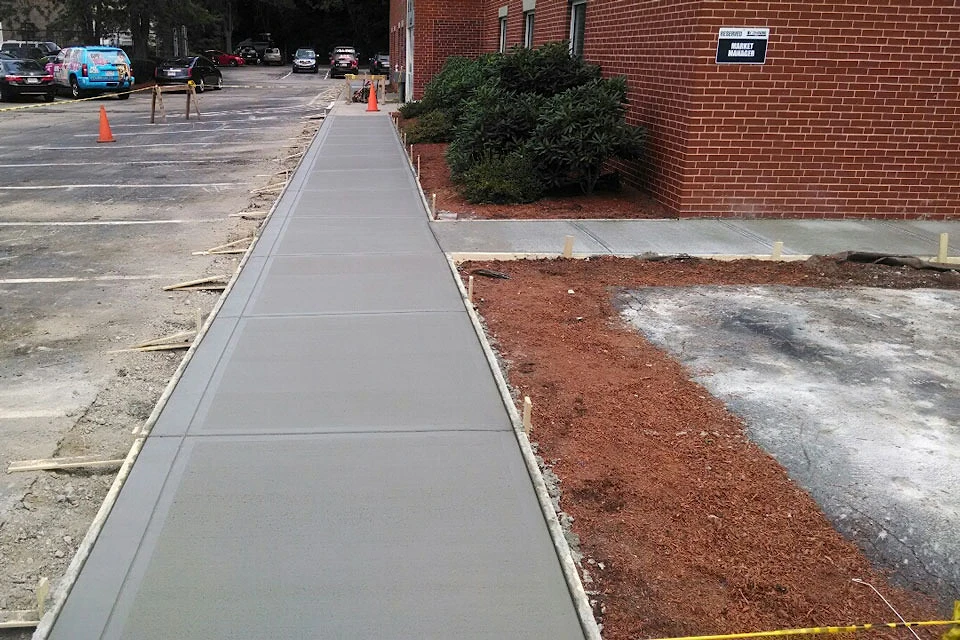
Sidewalks quietly handle constant foot traffic, weather exposure, and years of ground movement, yet they rarely get attention until something goes visibly wrong a crack, a trip hazard, or a section heaved up by a nearby tree root. Whether you’re installing new sidewalks for a residential property or addressing damage that’s become a genuine safety concern, professional sidewalk installation and repair keeps pedestrians safe and your property looking its best.
Why Sidewalk Condition Matters
Beyond simple curb appeal, sidewalk condition carries real liability implications. A cracked, uneven, or heaved sidewalk section can create a serious sidewalk trip hazard repair situation, and depending on your local jurisdiction, property owners may bear responsibility for injuries that occur on damaged sidewalks adjacent to their property. Addressing issues proactively isn’t just about appearance; it’s about avoiding potential liability down the road.
Residential Sidewalk Construction
Residential sidewalk construction typically involves connecting a home’s entryway to the street or driveway, though scope can expand to include garden pathways, side yard access, or connections between outdoor living spaces. Getting the layout right from the start, considering width, gradient, and how the sidewalk integrates with existing landscaping, helps avoid costly changes later.
The Sidewalk Installation Process
Understanding the general installation sequence helps set expectations for any sidewalk project:
- Planning and layout: Determining the sidewalk’s path, width, and any required slope for drainage or accessibility compliance.
- Excavation: Removing existing material or vegetation and preparing the base area to the appropriate depth.
- Base preparation: Compacting a gravel or aggregate base layer to provide stability and support proper drainage beneath the concrete.
- Forming and reinforcement: Setting forms to define the sidewalk’s shape, with reinforcement (wire mesh or rebar) added based on local requirements.
- Pouring and finishing: Pouring concrete to the appropriate thickness, then screeding, floating, and finishing the surface texture.
- Expansion joints: Cutting or forming joints at regular intervals to control cracking as the concrete naturally expands and contracts.
- Curing: Allowing adequate curing time before the sidewalk is opened to foot traffic.
Sidewalk Expansion Joints: Small Detail, Big Impact
Sidewalk expansion joints are one of the most important and most overlooked elements of a properly installed sidewalk. These joints, placed at regular intervals along the sidewalk’s length, allow the concrete to expand and contract with temperature changes without cracking randomly across the surface. A sidewalk poured without adequate joint spacing is far more likely to develop unsightly, irregular cracks over time.
ADA Compliant Sidewalk Installation
For commercial properties, public spaces, and many residential developments, ADA compliant sidewalk installation isn’t optional it’s a legal requirement. This includes specific standards for slope, width, surface texture, and curb ramp design at intersections, ensuring accessibility for individuals using wheelchairs, walkers, or other mobility aids. A qualified contractor familiar with these requirements helps ensure your project meets code from the outset, avoiding costly corrections later.
Sidewalk Permit Requirements
Most jurisdictions have specific sidewalk permit requirements, particularly for sidewalks adjacent to public streets or those connecting to municipal infrastructure. A reputable contractor manages this process, ensuring the project meets local specifications for thickness, slope, and materials before construction begins.
Common Sidewalk Problems and Repairs
Sidewalk Crack Repair
Sidewalk crack repair addresses one of the most common issues property owners face. Minor cracks can often be filled and sealed to prevent water infiltration and further deterioration, while more significant cracking may indicate a base failure requiring a more substantial repair approach.
Sidewalk Lifting from Tree Roots
Sidewalk lifting from tree roots is an especially common problem in established neighborhoods with mature trees planted close to sidewalks. As roots grow, they can push sections of concrete upward, creating both a trip hazard and an unsightly, uneven surface. Depending on the extent of the lifting and the health of the tree, solutions range from grinding down the raised section to full slab replacement, sometimes combined with root barrier installation to prevent recurrence.
Sidewalk Grinding and Leveling
For minor to moderate unevenness, sidewalk grinding and leveling offers a faster, less expensive alternative to full slab replacement. This process mechanically grinds down a raised edge to create a smoother transition between sections, effectively eliminating trip hazards without the cost and disruption of removing and repouring the affected area.
Sidewalk Slab Replacement
When damage is too extensive for grinding or crack repair, sidewalk slab replacement involves removing and repouring an individual damaged section rather than the entire sidewalk length. This targeted approach addresses significant cracking, severe heaving, or structural issues within a specific slab while leaving surrounding sections undisturbed.
Sidewalk Resurfacing
Sidewalk resurfacing offers another alternative to full replacement, applying a new thin layer of concrete or overlay material directly onto an existing, structurally sound sidewalk. This approach can restore a worn sidewalk’s appearance at a lower cost than full replacement, provided the underlying base and structure remain in good condition.
Municipal Sidewalk Replacement
Municipal sidewalk replacement projects often involve additional considerations beyond typical residential work, including coordination with city permitting departments, adherence to specific municipal specifications, and sometimes cost-sharing arrangements between property owners and local government. Rules vary significantly by location, so it’s worth checking with your municipality about specific requirements and potential assistance programs before starting a project.
Commercial Sidewalk Installation
Commercial sidewalk installation typically demands greater durability specifications to handle higher foot traffic volumes, along with strict adherence to ADA compliance standards given the public-facing nature of most commercial properties. These projects often involve more extensive planning around business operations, minimizing disruption to customers and foot traffic during construction.
Sidewalk Curb and Gutter Work
Sidewalks are frequently installed alongside related infrastructure. Sidewalk curb and gutter work manages water runoff and drainage in coordination with the sidewalk itself, ensuring the combined system directs water appropriately and prevents pooling or erosion that could undermine the sidewalk’s foundation over time.
Decorative Options: Stamped Concrete Sidewalks
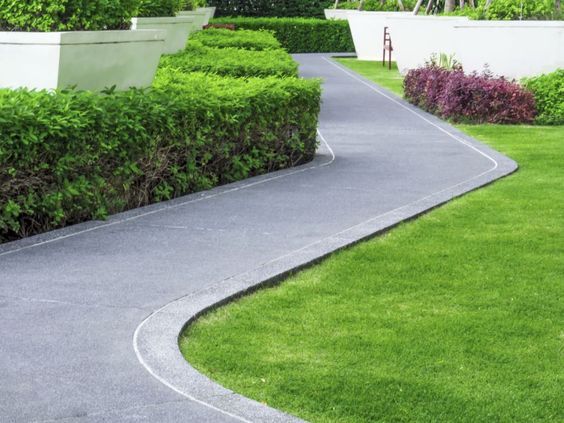
For homeowners wanting more visual interest than standard gray concrete, stamped concrete sidewalks replicate the look of brick, natural stone, or other decorative patterns while maintaining the durability and lower maintenance of poured concrete. This option works particularly well for garden pathways or entryway sidewalks where aesthetics matter as much as function.
Understanding Sidewalk Cost
Concrete sidewalk cost per square foot depends on several factors:
- Total length and width of the sidewalk
- Site preparation needs, including excavation and any necessary tree root management
- Reinforcement requirements based on local codes
- Decorative finishes, if desired
- Whether the project involves new installation, repair, or full replacement
A trustworthy concrete sidewalk contractor will provide a detailed, itemized estimate rather than a vague per-square-foot number, since site conditions can significantly affect final project cost.
Sidewalk Installation Timeline
Sidewalk installation timeline expectations depend on project length and scope. A typical residential sidewalk section can often be completed within a day or two for pouring, with additional curing time before the sidewalk can bear foot traffic. Larger municipal or commercial projects, or those requiring extensive tree root management, may take considerably longer.
Choosing the Right Sidewalk Contractor
When searching for sidewalk repair near me or a new installation contractor, look for:
- Experience with both new construction and repair work
- Familiarity with ADA compliance standards, especially for commercial projects
- Proper licensing and insurance
- Transparent, itemized estimates
- Positive reviews mentioning quality workmanship and attention to detail
Final Thoughts
Whether you’re installing a brand-new sidewalk, addressing a trip hazard, or replacing sections damaged by tree roots or age, professional sidewalk work combines proper preparation, correct specifications, and skilled finishing to deliver a safe, lasting result. Taking care of sidewalk issues proactively protects both pedestrians and property owners from unnecessary risk down the road. If you’re planning a sidewalk installation or repair project, reach out to a trusted local concrete sidewalk contractor today for an assessment and a detailed estimate.
Frequently Asked Questions
Who is responsible for sidewalk repair, the homeowner or the city? This varies by jurisdiction. In many areas, property owners are responsible for maintaining sidewalks adjacent to their property, even though the sidewalk itself may be public right-of-way. Check with your local municipality for specific rules.
Can a sidewalk be repaired instead of fully replaced? Often, yes. Minor cracks can typically be filled, while raised or uneven sections may be ground down rather than replaced. More extensive damage usually requires individual slab replacement rather than full-length replacement.
What causes sidewalks to crack or lift? Common causes include tree root growth, freeze-thaw cycles, ground settling, and inadequate expansion joints that don’t allow the concrete to move naturally with temperature changes.
Do sidewalks need to meet ADA compliance standards? Commercial properties and public sidewalks typically must meet ADA standards for slope, width, and surface texture. Requirements for purely private residential sidewalks vary by local code.
How long does it take to install a new sidewalk? A typical residential section can often be poured within a day or two, with additional curing time before use. Larger or more complex projects may take longer depending on scope and site conditions.